How to Win at Roulette with 100 Dollars: A Real Player’s Playbook
Article By
Hitting the casino floor in Wollongong with a hundred bucks is a classic Aussie gamble. The wheel doesn’t care if you’re a high-roller or a first-timer, and neither does the maths. Before you chuck your money on a colour, you want a plan that respects the house edge. Promotions and bonus codes from sites likeozwincodes.net can stretch your bankroll, though real-world roulette is a different beast. This guide walks you through the real questions worth asking so your hundred dollars lasts longer than a single spin.
The Questions Worth Asking Before You Spin
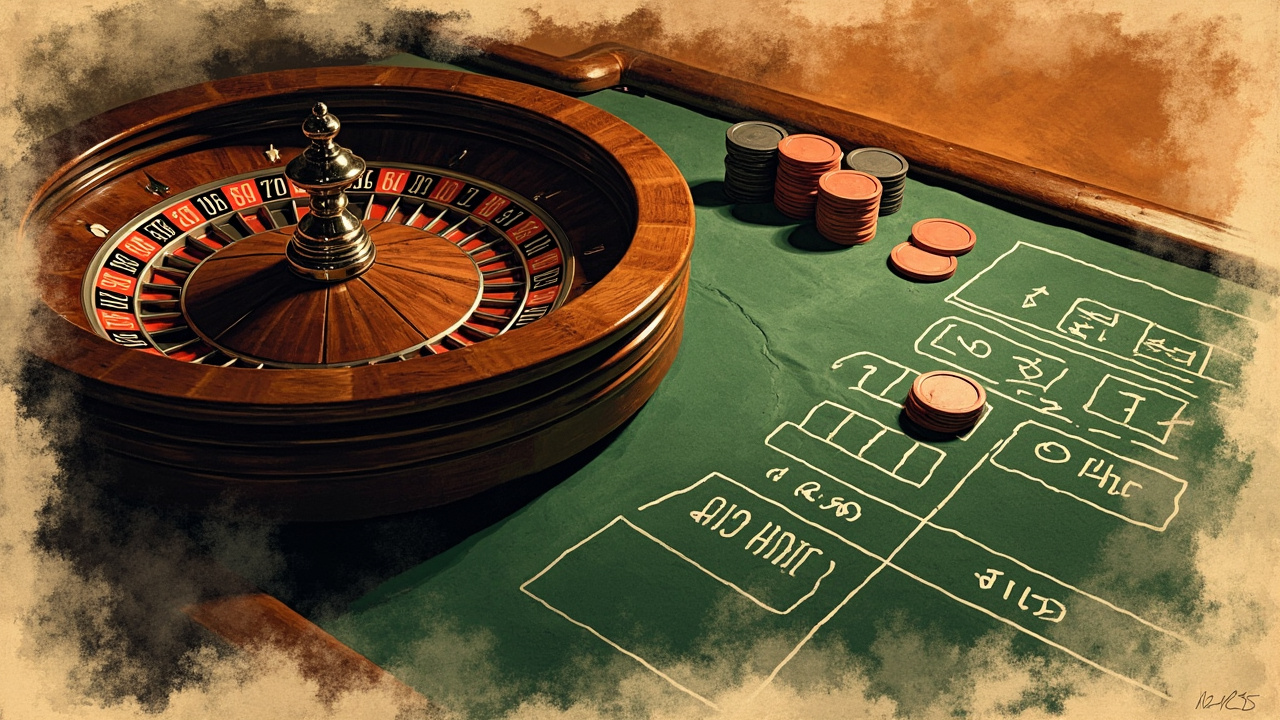
Before a single chip hits the felt, you need to answer a few honest questions about your session. Are you chasing entertainment value or a crack at a real win? How long do you want the hundred dollars to last, and how do you react to a string of losses? The maths is brutal but predictable: European roulette sits at a 2.7% house edge, American roulette at 5.26%, and every system ever invented only reorders the same losing outcome.
Robert Muir, founder of Game Design Automation and creator of the Slot Designer toolkit, reckons the comparison is closer than people think. When he designs a slot bonus round, he has to weigh hit frequency against volatility, and roulette players end up doing the same maths without realising it. The wheel is essentially a high-volatility game with one fixed parameter. If your bankroll can’t absorb ten losses in a row, no progression system will save you.
The honest answers shape every other choice. A punter wanting two hours of fun with a chance at a small profit has a different plan than someone chasing one big win. The good news is that a hundred dollars works for either approach, provided you set hard limits.
Mapping Your Hundred-Dollar Plan to Real Decisions
Once you’ve decided what kind of session you here want, the next move is mapping your hundred dollars to real choices. Three core areas shape almost every roulette session, and each one has trade-offs worth weighing.
Picking the Right Wheel and Bet Type
European roulette with a single zero is the only sensible choice if you have a choice, given the lower house edge. American wheels with both zero and double zero are a tougher sell for a hundred-dollar bankroll, and most Crown venues in Wollongong run European or French layouts on the main floor. From there, the bet selection comes down to volatility.
| Bet Type | Payout | Hit Chance (European) | Risk Level |
|---|---|---|---|
| Red/Black, Odd/Even | 1:1 | 48.6% | Low |
| Dozens or Columns | 2:1 | 32.4% | Medium |
| Single Number | 35:1 | 2.7% | High |
| Split (2 numbers) | 17:1 | 5.4% | High |
Outside bets like red or black stretch the bankroll but cap the upside. Inside bets chase the dream payout but burn through chips fast. Most seasoned players mix the two, anchoring with even-money bets and sprinkling a smaller stake on a longshot.
Putting a System to the Test
The Martingale, Fibonacci, and D’Alembert systems all have one thing in common: they don’t change the house edge. They do change the shape of your session, sometimes for the better, sometimes for the worst. Doubling your stake after a loss sounds logical until you hit a losing streak of eight or nine, which burns through a hundred dollars faster than a boxcars roll of two sixes can wipe a prop bet at the craps table.
Robert Muir has spent years watching volatility play out in slot models, and he treats roulette progressions the same way.”You can soften the variance,” he says, “but you cannot eliminate the edge.” The practical takeaway: pick a flat unit size, stick with it, and walk away when you’re up rather than chasing.
Beginner-Friendly Tips for Your First Session
Step one: accept the first session is a paid lesson, not a profit hunt. Step two: start with even-money bets at a unit of one or two dollars so a hundred dollars buys you 50 to 100 spins. Step three: avoid the five-number bet on American layouts, skip neighbour wagers until you know the layout, and keep any single bet under five per cent of your bankroll. Step four: set a stop-loss at fifty and a take-profit at one-fifty, then honour both. Step five: take breaks when you’re tired; the house doesn’t speed up, but your decision-making definitely slows down.
Matching the Plan to Your Style
Different punters walk in with different priorities, and a hundred-dollar bankroll suits some play styles better than others. The casual arvo player wanting a couple of hours with mates is well served by flat outside bets. The serious chaser will find a hundred dollars too thin to grind an edge.


Sophie Lewis, a Responsible Gambling Adviser with Southern Cross Gaming Advisory, reckons most players underestimate the maths.”A hundred dollars sounds like a lot until you’re twenty spins in and a third is gone,” she says.”Decide in advance what a winning session looks like and stop when you hit it.” That single rule separates players who walk out smiling from those reaching for the ATM.
Noah Fisher, Compliance Director at Gold Coast Gaming Network, reminds players that the cleanest plan falls apart if the operator’s dodgy. Stick to licensed Australian venues, verify before you deposit, and never assume a flashy bonus is more than marketing. If you wander to the blackjack table, doubling down lets you double your bet in exchange for exactly one more card, a real edge with basic strategy. The right venue and plan turn a hundred dollars from a gamble into a session you control.
Roulette will never be a guaranteed earner, but a hundred dollars is plenty for a well-paced session if you treat the bankroll like a tool rather than a lottery ticket. Pick the right wheel, set hard limits, and walk out the moment those limits are reached. The casino always has an edge, yet the way you manage your stake is the one thing you can control.

